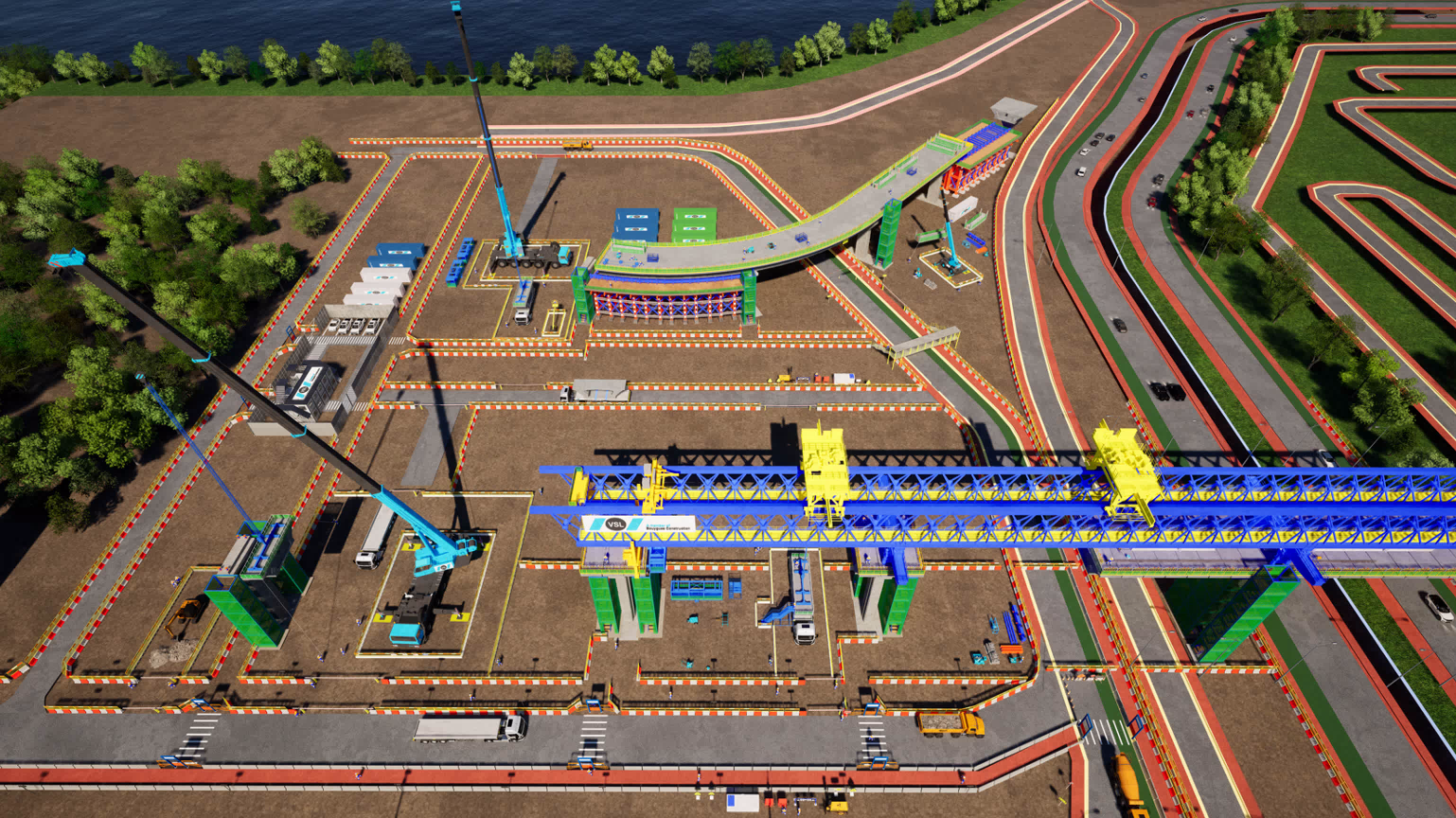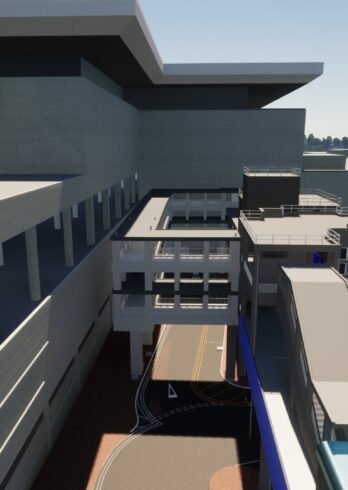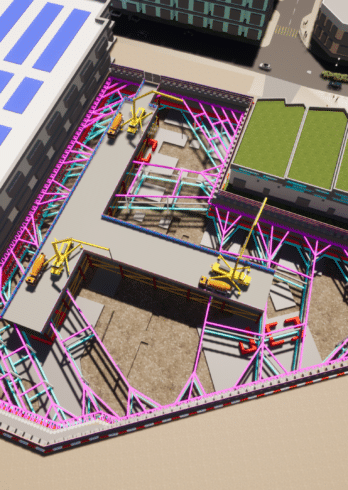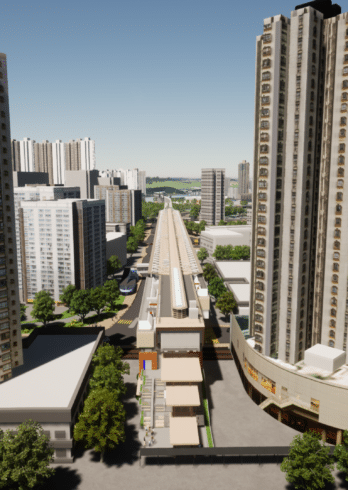
Building a bridge is a feat of engineering, but it is also an exercise in architectural design. The process involves more than just creating a functional structure to span a gap; it requires thoughtful consideration of aesthetics, harmony with the environment, and the cultural significance of the bridge. In this blog post, we explore the architectural design elements that go into building a bridge, highlighting how form and function are seamlessly integrated.
The Role of Architectural Design in Bridge Building
Form Follows Function
One of the guiding principles in architectural design is that form should follow function. This means that the design of the bridge should be driven by its intended use, the physical forces it will endure, and the environment it will inhabit. However, within these constraints, there is ample room for creativity and artistic expression.
Aesthetic Considerations
A bridge is often a landmark, and its appearance can define the character of a city or region. Architects strive to create designs that are visually pleasing and harmonious with the surrounding landscape. This involves careful selection of materials, color schemes, and structural forms that complement the natural and built environment.
Key Elements of Bridge Design
Structural Types and Their Aesthetic Impact
Different types of bridges offer unique aesthetic opportunities:
- Beam Bridges: While typically simple and utilitarian, beam bridges can be enhanced with artistic railings, lighting, and landscaping around the abutments.
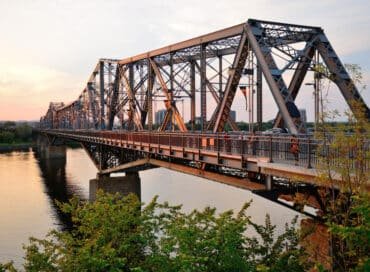
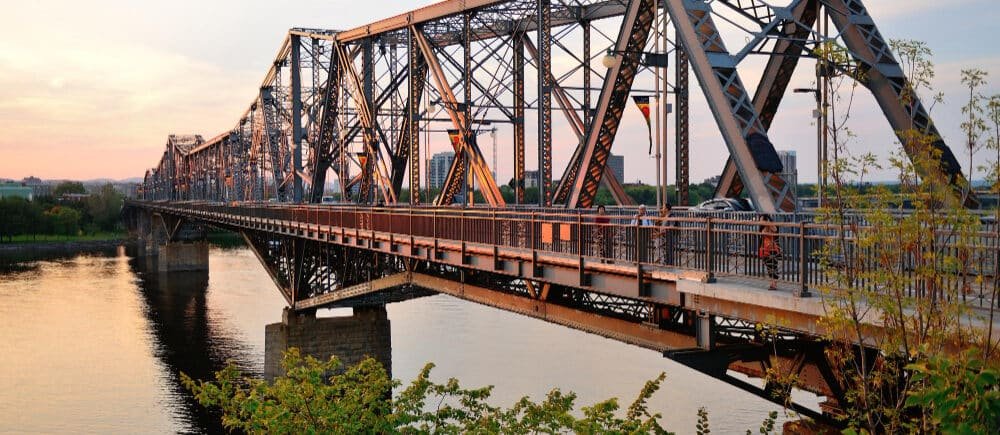
- Arch Bridges: Known for their graceful curves, arch bridges can become iconic symbols of elegance and strength. The use of materials like stone or exposed steel can enhance their visual impact.
- Suspension Bridges: These bridges, with their soaring towers and sweeping cables, often become city landmarks. The interplay of light and shadow on the cables and the open space they create can be visually stunning.
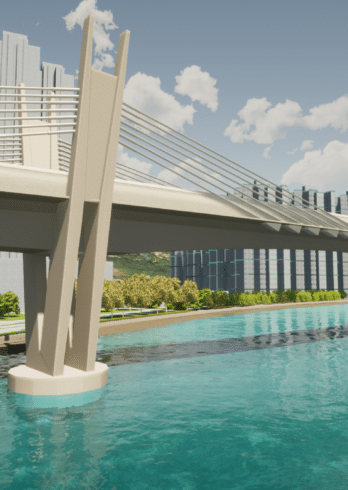
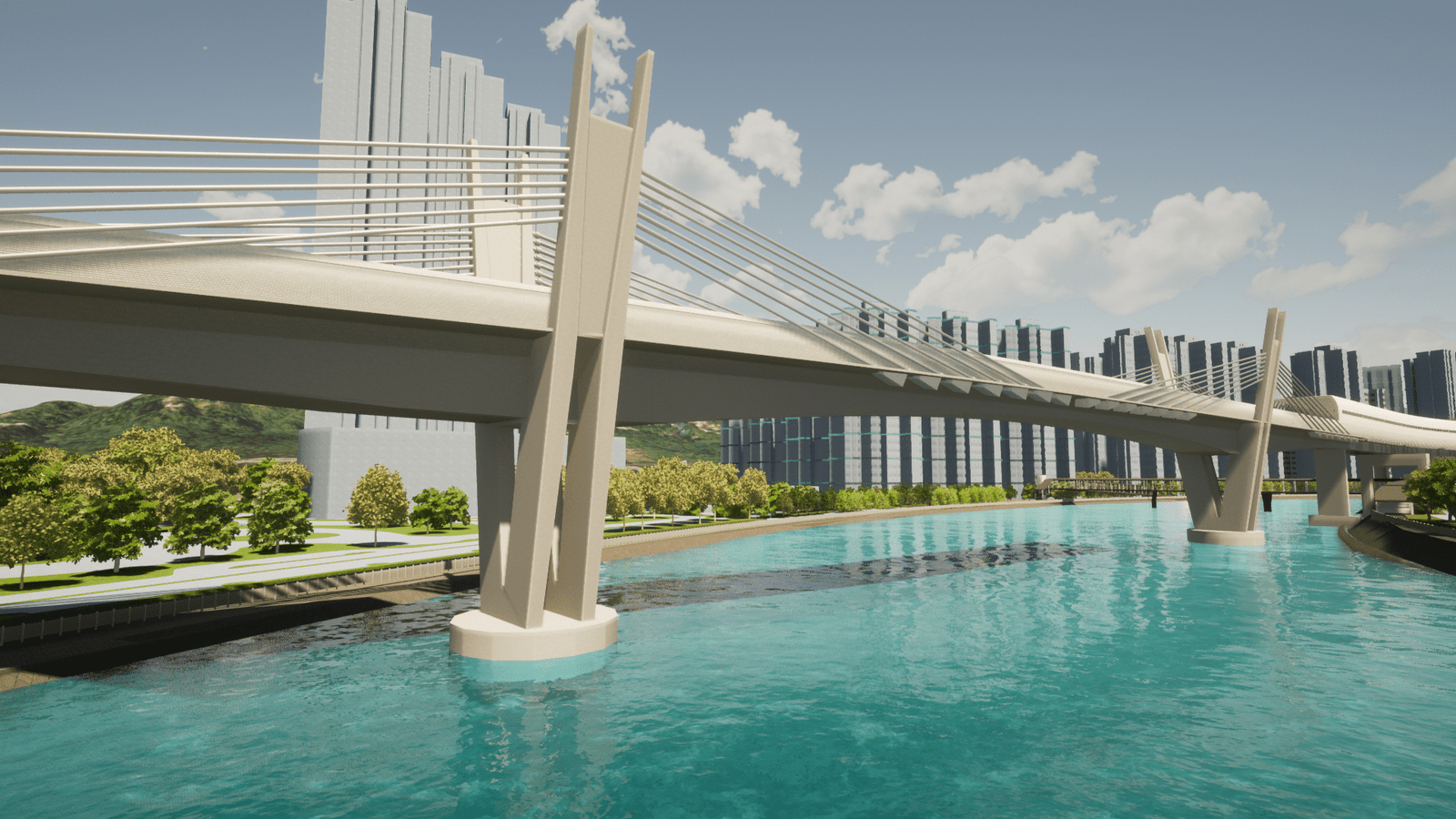
- Cable-Stayed Bridges: Offering a modern, sleek appearance, cable-stayed bridges can be designed to have a striking visual profile, with cables arranged in various patterns for added aesthetic appeal.
Integrating with the Environment
A well-designed bridge should blend seamlessly with its environment. This can involve:
- Landscaping: Incorporating green spaces, parks, or walkways around the bridge can enhance its integration into the landscape and provide additional public amenities.
- Contextual Design: Considering the cultural and historical context of the area can lead to designs that resonate with local identity. For example, using traditional materials or motifs can create a sense of continuity and respect for the locale.
Lighting and Color
The use of lighting and color is a powerful tool in bridge design:
- Lighting: Thoughtful lighting design can transform a bridge into a nighttime landmark. Highlighting structural elements, illuminating pathways, and using dynamic lighting effects can enhance both safety and aesthetics.
- Color: The choice of color can make a bold statement or help the bridge blend with its surroundings. Colors can be chosen to reflect local heritage, natural hues, or to create a striking visual contrast.